TL;DR — Quick Answer
In 2026 a commercial ice cream machine costs between $1,200 and $8,000+, depending almost entirely on type and hourly output — not on brand name.
- Soft serve, countertop single flavour (10–15 L/h): $1,200 – $1,800 — food trucks and kiosks.
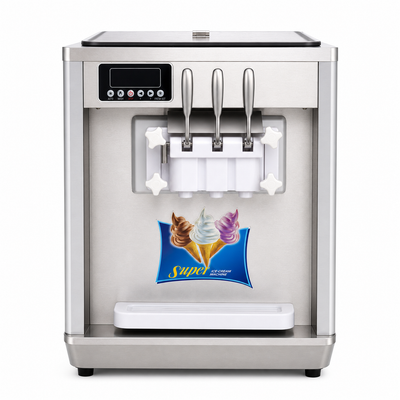
- Soft serve, countertop multi-flavour (18–25 L/h): $1,600 – $2,200 — cafes and small parlours.
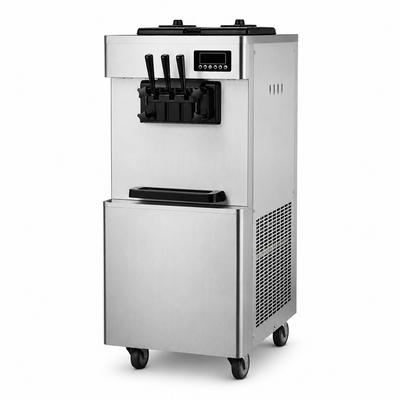
- Soft serve, floor-standing (18–25 L/h): $1,800 – $3,000 — restaurants and cinemas.
- Pump-feed high volume (30+ L/h): $3,500 – $8,000+ — high-traffic chains.
- Cube ice makers: from ~$1,200 for 150 kg/day; $2,500–$3,000 for a 450 kg/day unit with a 200 kg bin.
- Flake ice machines: $6,000+ for 1,000 kg/24h industrial units.
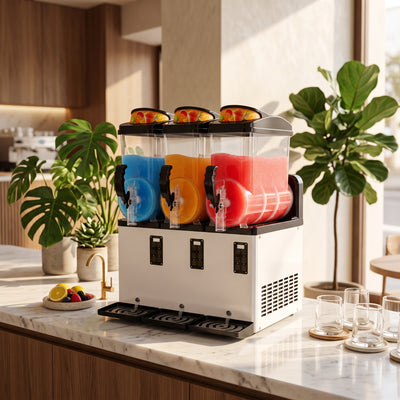
- Slush machines: ~$800 for a single bowl; $1,300–$1,700 for a three-bowl dual-mode unit.
- Fastest payback: soft serve, because labour cost per serving is low and impulse demand is high.
- Do not overbuy: a $1,600 machine run inside its rating outlasts an overworked $3,000 machine.
The cost of a commercial ice cream machine depends on type, capacity, features and where you buy it. In 2026, entry-level countertop soft serve machines start around $1,600, while high-capacity industrial flake ice systems can exceed $6,000. This guide breaks down real price ranges, hidden costs and payback periods so you can budget accurately.
Commercial soft serve machines
| Type | Output | Typical price range | Best for |
|---|---|---|---|
| Countertop single flavour | 10–15 L/h | $1,200 – $1,800 | Food trucks, kiosks |
| Countertop multi-flavour | 18–25 L/h | $1,600 – $2,200 | Cafes, small parlours |
| Floor-standing multi-head | 18–25 L/h | $1,800 – $3,000 | Restaurants, cinemas |
| Pump-feed high-volume | 30+ L/h | $3,500 – $8,000+ | High-traffic chains |
Commercial ice makers
Cube ice makers are priced by daily production and storage bin size. A 150 kg/day modular unit starts around $1,200. A 450 kg/day machine with a built-in 200 kg bin, like the Axospro IM-260, is typically $2,500 to $3,000. Industrial flake ice machines such as the Axospro 1000 kg flake ice machine cost $6,000 or more because of the larger evaporator and stainless-steel construction.
Slush and frozen drink machines
Single-bowl slush machines start near $800. A commercial three-bowl dual-mode unit like the Axospro G10L3 ranges from $1,300 to $1,700 depending on configuration and voltage. The extra bowls add flexibility but also increase upfront cost and daily cleaning time.
Hard ice cream and gelato equipment
Hard ice cream batch freezers start around $3,000. Add a blast freezer, display dipping cabinet and storage freezer, and a complete hard ice cream setup can easily reach $8,000 to $15,000. Gelato equipment follows a similar cost curve. These formats are best for parlours with a premium menu and enough volume to justify the investment.
Hidden costs to budget for
- Shipping and freight: LTL freight in the US and Canada is calculated by weight and zip code. A 100 kg machine can cost $200–$500 to deliver.
- Electrical work: 220V machines may need an electrician and a dedicated circuit.
- Water filtration: Ice makers last longer with filtered water. Budget $100–$300 for a filtration system.
- Syrups and mixes: Soft serve mix costs $0.08 to $0.15 per 100 ml serving. Slush syrup is similar.
- Cleaning supplies: Sanitizer, lubricant and spare seals are ongoing costs.
- Spare parts: Keep common seals, taps and belts in stock to reduce downtime.
Return on investment for soft serve
A $1,600 countertop soft serve machine serving 60 portions per day at a $2.50 margin recovers its cost in roughly 11 operating days. Even at 20 portions per day, the payback period is about one month. This is why soft serve machines are one of the fastest-return investments in food service.
Return on investment for ice makers
A 450 kg/day cube ice maker serving a restaurant or hotel can replace bagged ice purchases. If you currently spend $50 per day on bagged ice, a $2,800 machine pays for itself in under two months. Larger flake ice machines for seafood processing have similar payback periods when compared to outsourced ice delivery.
Should you buy new or used?
New machines come with a warranty, English support and the correct voltage. Used machines may have worn compressors, missing parts or incompatible voltage. For a business that depends on daily uptime, new equipment is usually the safer choice. The savings from a used machine often disappear after the first repair.
Leasing vs buying outright
Leasing spreads the upfront cost over 12–36 months and often includes maintenance. Buying outright gives the lowest total cost and full ownership from day one. For a first-time operator, buying a proven entry-level model is usually better than leasing a high-end machine before demand is proven.
Warranty and support comparison
Budget brands often offer 1-year warranties with limited parts availability. Commercial-grade suppliers like Axospro include 2-year warranties, English manuals and lifetime technical support. When comparing prices, factor in the cost of downtime. A cheaper machine with no spare parts support can cost more over two years than a slightly more expensive machine with reliable service.
Tax and import duty considerations
For buyers outside the United States, import duties, VAT and customs clearance can add 10–30% to the landed cost. Ask the supplier for HS codes and commercial invoices in advance. Axospro handles export paperwork, but local duties are the buyer's responsibility. Budget these costs when comparing domestic and international suppliers.
Price trends in 2026
Steel prices, refrigerant regulations and shipping rates continue to affect equipment costs. Machines using R290 are becoming standard due to environmental regulations. Countertop soft serve machines remain the most affordable entry point, while industrial flake ice systems carry the highest upfront cost. Buying from a supplier with stable inventory avoids lead-time surprises.
Financing options for first-time buyers
Equipment financing, lease-to-own and small business equipment loans are common options. Leasing requires less upfront cash but usually costs more over the term. A business credit card with a 0% introductory APR can also bridge the gap for lower-cost machines. Compare total cost including fees before signing.
Resale value and equipment lifecycle
Commercial machines from reputable brands retain 30–50% of their value after three years if maintained well. Budget brands lose value faster because spare parts may become unavailable. Keep service records and original packaging to maximize resale or trade-in value when you upgrade.
Cost by business type
A small cafe can start with a $1,600 countertop soft serve machine. A mid-size restaurant adding ice service may spend $2,800 on a 450 kg/day cube ice maker. A seafood processing plant can justify a $6,000+ flake ice machine because it replaces daily bagged ice purchases. A hotel bar might spend $1,300 on a three-bowl slush machine for cocktails. Match the equipment tier to your daily volume, not your ambition.
When to upgrade
Upgrade when downtime exceeds revenue gains from added capacity. If you are running your current machine at full output for more than four hours every day, a larger or second machine will pay for itself. Upgrading before you hit that threshold usually wastes capital. Track daily output and repair frequency to time the upgrade correctly.
Shipping and freight tips
Commercial ice cream machines ship via LTL freight because of weight and size. Inspect the crate for damage before signing. Take photos of any dents, tears or wet spots. Freight damage claims are much harder to resolve after the carrier has left. Axospro packages machines in reinforced crates, but always inspect on delivery and keep all packaging for the first 30 days. Document the unboxing process for your records and warranty claims.
Final recommendation
For a first commercial machine, budget $1,600 to $2,500 for a countertop or floor-standing soft serve unit. If ice is your priority, plan $2,500 to $3,000 for a 450 kg/day cube ice maker or $6,000+ for an industrial flake ice system. Match the machine to your menu, volume and available floor space, and always include freight, electrical and consumables in your budget. Start with a proven model and scale up once demand is confirmed.
Frequently asked questions
What is the cheapest commercial ice cream machine?
Entry-level single-bowl slush machines and small countertop soft serve units start around $800 to $1,200. For reliable daily commercial use, plan on at least $1,600.
How much does it cost to run a soft serve machine per month?
Electricity, mix and cleaning supplies add roughly $200 to $400 per month for a moderately busy machine, depending on local utility rates and serving volume.
Is financing available for commercial ice cream machines?
Many suppliers offer equipment financing or lease-to-own programs. Check with the seller before ordering if you prefer monthly payments.
Why do prices vary so much between brands?
Differences in compressor quality, stainless-steel grade, warranty length, voltage support and after-sales service account for most price gaps.
Does a higher price always mean better quality?
Not always. Match the machine to your actual volume. A $1,600 machine used within its rated capacity can outlast an overworked $3,000 machine.
What is the fastest payback machine type?
Soft serve machines usually pay back fastest because of low labour cost per serving and high impulse demand.