TL;DR — Quick Answer
Two documents outrank this one: your machine manual and your local health department. This article covers the reasoning behind the routine and the mistakes that cause most problems — improvised chemicals, skipped rinses, and no written record.
- Frequency: follow the manual first, the health department second; log every clean on the machine
- Order of operations: clean and descale first, then sanitise — scale shields bacteria from sanitiser
- Chemicals: only products labelled for commercial ice machines and food contact surfaces, at label dilution
- Plumbing: ice machines need a water supply and a separate drain; soft serve and slush machines do not
Why is cleaning a commercial ice machine not optional?
An ice machine is a food-production appliance that sits wet and cold for months at a time. Those two conditions — moisture plus a steady supply of whatever is in your water — are exactly what a biofilm needs. Scale from hard water builds a rough surface that holds it, and scale also shields microorganisms from sanitiser, which is why the descaling step has to come first.
The output goes directly into a customer's drink. There is no cooking step, no reheating, and no way to tell by looking. That is why health departments treat ice as food and why the routine matters commercially as well as legally — a failed inspection costs more than the cleaning supplies ever will.
How often should you clean a commercial ice machine?
Start with two sources, in this order:
- Your machine manual. It specifies the procedure, the compatible products, and the interval for that specific design.
- Your state or county health department. This is the enforceable rule where you operate, and it is what an inspector will hold you to.
Everything below is the reasoning behind those rules and the mistakes that cause most of the problems operators actually run into. It is not a substitute for either document.
What is the difference between cleaning and sanitising?
These are different jobs and doing only one leaves you half done.
- Clean and descale removes the mineral scale and the film that builds on surfaces that contact water and ice.
- Sanitise reduces the microorganisms remaining after that film is gone.
Running sanitiser over scale is the single most common wasted effort in ice machine maintenance. Descale first, then sanitise.
What cleaning products are safe for a commercial ice machine?
Use a cleaner and a sanitiser that are labelled for commercial ice machines and for food contact surfaces. Follow the dilution on the label and follow the rinse instructions exactly. Two reasons this is not the place to improvise:
- Everything left behind ends up in ice someone swallows. There is no rinse-you-can-skip here.
- The wrong chemical damages the machine. Seals, evaporator plating and internal components are specified around particular products.
Your manual lists compatible products. If it does not, ask the manufacturer or supplier before you pour anything in.
The mistakes that cause most problems
No written record
If it is not written down it did not happen, as far as an inspector is concerned — and as far as your own scheduling goes, a routine nobody logs is a routine that drifts. Write the date on a tag on the machine and keep a simple log.
Skipping or shortening the rinse
This is what produces ice that tastes or smells of cleaner. Run the full flush cycle the manual describes, and discard the first batches of ice after any cleaning or service.
Forgetting the water filter
A filter that is past due reinstates the scale problem you just cleaned away. Change it on its own schedule, independently of the machine cleaning cycle.
Transferring a routine between machine types
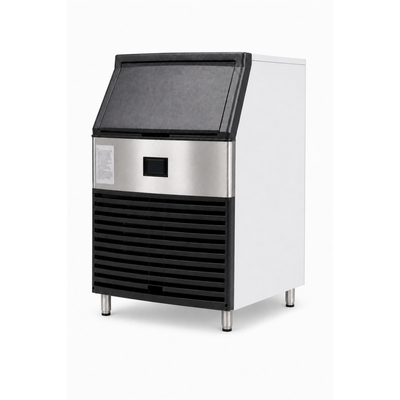
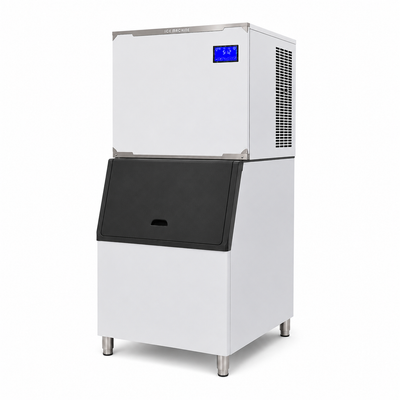
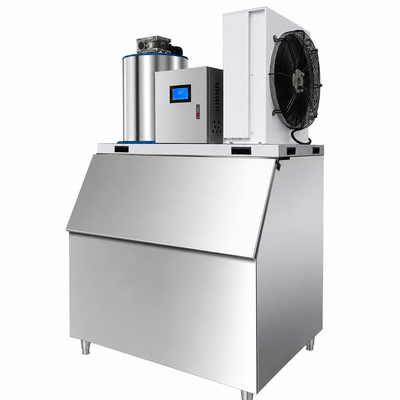
Cube ice makers and flake ice machines both make ice from water and both need cleaning, but the access points and mechanical parts differ — a flake machine runs an auger or scraper continuously. Follow the procedure written for the machine you have.
Does an ice machine need a water line and a drain?
Machines that make ice from water need two plumbing connections, not one: a potable cold water supply in, and a separate drain line out for melt and rinse water. Many small venues, milk tea shops and market stalls have no floor drain, and discovering that after delivery means either a drain pump or a return. Check before you order.
Machines that are fed by hand — soft serve, slush, popsicle and fried ice cream machines — need neither. You pour the mix in, so there is no water line to run and no drain to find. You do want a sink nearby for rinse water when you break the machine down.
Related reading
- Water, drain and clearance requirements
- How much ice your business actually needs
- What an ice machine costs to run
- Shop commercial ice machines
- Shop flake ice machines
Frequently asked questions
How often should a commercial ice machine be cleaned?
Follow the interval in your machine manual first, and your local health department second — those two override any generic schedule. In practice most operators run a light clean on a weekly-to-monthly cycle and a full descale-and-sanitise on a quarterly cycle, adjusting upward if the water is hard or the machine runs continuously. Write the date on the machine each time you do it.
What is the difference between cleaning and sanitising?
Cleaning removes the visible film and scale; sanitising reduces the microorganisms left behind after cleaning. Doing one without the other leaves you half done — scale protects bacteria from sanitiser, which is why the descaling step comes first. Use only products that are labelled safe for ice-making equipment and food contact surfaces.
Can I use vinegar or household bleach in an ice machine?
Do not improvise. Use a cleaner and sanitiser that is specifically labelled for commercial ice machines and food contact surfaces, at the dilution the label specifies, and rinse exactly as directed. Anything left in the machine ends up in ice that people swallow, and the wrong chemical can also damage seals and evaporator plating. Your manual lists compatible products — start there.
Why does my ice taste or smell bad after cleaning?
Almost always incomplete rinsing, or a filter that is due. Run the flush cycle exactly as the manual describes, discard the first few batches of ice after any service, and check the water filter on its own schedule. If the taste persists after a proper flush, replace the filter and clean again before assuming a machine fault.
Do flake ice machines need the same routine as cube ice machines?
The principle is the same and the frequency is set by the same two authorities, but flake machines run an auger or scraper through ice continuously, so the mechanical parts carry more wear and the cleaning access points differ. Follow the procedure for your specific machine type rather than transferring a routine between them.
Does cleaning a commercial ice machine need a water line and a drain?
The cleaning cycle itself uses water already in the machine. But yes — cube ice makers and flake ice machines need a plumbed potable water supply to make ice and a separate drain line to discharge melt and rinse water. That is an installation requirement, not a cleaning one. Machines fed by hand, such as soft serve, slush, popsicle and fried ice cream machines, need no water line or floor drain.
AXOSPRO support: 8245 105th Ave, Vero Beach, FL 32967 · vliang@axospro.com · 1-772-258-0386