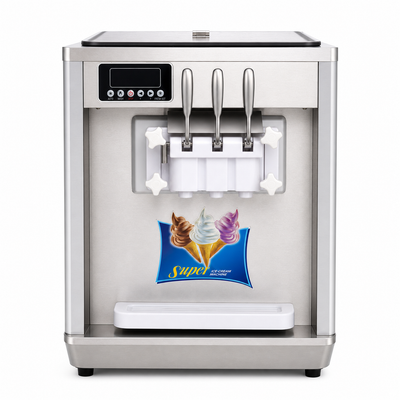
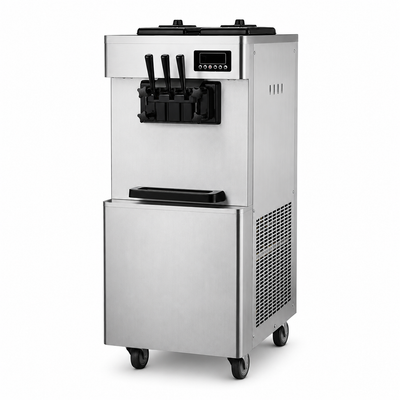
TL;DR — Quick Answer
A dedicated milkshake machine is a consistency tool, not a faster blender: it holds and chills product, dispenses it, and is designed to be cleaned on a station routine. Everything that goes wrong with it is usually ingredient temperature or ratio before it is ever a machine fault.
- Versus a blender: built for repeated service and consistent output, not for babysitting each drink
- Consistency: same base, same dairy temperature, same setting — chill ingredients properly
- Cleaning: manual and health department first; dairy means a full daily break-down clean and sanitise
- Plumbing: none needed — filled by hand, only a sink for rinse water
What is the difference between a milkshake machine and a blender?
A blender is a general-purpose tool that needs an operator for every drink. A commercial milkshake machine is built around one job: producing the same drink repeatedly, at volume, without the result depending on who is on the station.
That difference shows up in three places — it holds and chills or freezes product so it is ready on demand rather than made to order, it dispenses rather than pours, and it is designed around a cleaning routine rather than a rinse between drinks. For a menu line that sells steadily, that is the difference between keeping up and falling behind.
Running a service
The mechanics are simple; the discipline is what produces a repeatable drink.
- Chill your ingredients before service, not during it. Cold dairy and a cold mix base produce a better texture and put less load on the machine than bringing everything up to temperature under pressure.
- Measure the base. Ratio drift is the most common cause of an inconsistent drink, and it is invisible if you are pouring by eye.
- Let the machine reach operating condition before the first order. The first drink of the day is the one most likely to come out wrong.
- Work the station routine. Dispense, wipe the nozzle area, and keep the product contact surfaces covered between orders.
How do you get a consistent milkshake thickness?
Thickness complaints are almost always ingredient temperature or ratio rather than a machine problem — worth ruling out in that order before touching any setting:
- Ingredients too warm. This is the most common cause. Everything going in should be properly refrigerated.
- Ratio drift. Measure the base and keep it the same between shifts and between staff.
- Machine not up to temperature. Give it time before the first drink.
If a drink still comes out wrong after those three, consult the manual and then the supplier. Adjusting settings at random is slower than finding the actual cause.
How often should you clean a commercial milkshake machine?
This is dairy going through a machine that sits at serving temperature. The routine is not optional, and the two documents that define it are your machine manual and your local health department — in that order of specificity, with the health department holding the enforceable rule.
The daily pattern
- Break down the parts that contact product and clean and sanitise them — a rinse is not a clean.
- Wipe down every external surface that has been touched during service, not just the visible spills.
- Let parts air dry before reassembly so you are not sealing moisture into the machine overnight.
Three things that cause most problems
- Dishwashing parts the manual excludes. Heat and detergent warp and cloud some components, and a warped seal becomes a leak mid-service. Check the manual part by part.
- Cleaning only what looks dirty. Product film is where the risk is, and it is the part that does not announce itself.
- No written routine. If the closing clean depends on how busy the night was, it will be skipped on exactly the nights it matters.
Does a milkshake machine need a water line or a drain?
One of the practical advantages of this category: a milkshake machine is filled by hand, so it needs no plumbed water supply and no floor drain. You can place it anywhere you have power and counter space.
You do want a sink within reach for rinse water when you break it down. Machines that make ice from water — cube and flake ice machines — are the ones that need both a supply and a drain, which is why they are the category where installation surprises happen.
Related reading
- Commercial milkshake machine buying guide
- Mix and base handling
- Cleaning routines across the range
- AXOSPRO commercial milkshake machine
Frequently asked questions
What is the difference between a milkshake machine and a blender?
A blender cuts and aerates in an open jar and needs attention for every drink. A dedicated milkshake machine is built for repeated, consistent service: it holds and chills or freezes product, dispenses it, and is designed to be cleaned on a station routine rather than rinsed between every order. If shakes are a menu line rather than an occasional request, the dedicated machine is the one that keeps up.
How do you get a consistent thickness every time?
Consistency comes from controlling the same variables every shift: the same mix base, the same dairy temperature going in, and the same setting on the machine. Cold ingredients going in make a materially better and more repeatable drink than room-temperature ones, and they put less load on the machine. Measure your base rather than eyeballing it.
How often should a commercial milkshake machine be cleaned?
Follow the interval and procedure in your machine manual and the rule your local health department enforces — those override any generic schedule. Because the product is dairy, the practical pattern is a full break-down clean and sanitise at the end of each day, with any part that touches product cleaned and sanitised rather than just rinsed.
Can I put the removable parts in a dishwasher?
Only if your manual says so. Heat and detergent can warp or cloud parts that are specified for hand washing, and a warped seal is a leak waiting to happen during service. Check the manual for each part rather than assuming the whole machine shares a rule.
Does a milkshake machine need a water line or a drain?
No. Milkshake and soft serve machines are filled by hand, so there is no plumbed water supply and no floor drain required. You do need a sink or container nearby for rinse water when you break it down for cleaning. Only machines that make ice from water need both a supply and a drain.
Why does my shake come out too thin?
Usually ingredient temperature or ratio rather than a machine fault. Start colder: chill the dairy and the mix base properly before service, use the ratio your recipe specifies rather than approximating, and check that the machine has reached its operating condition before the first order of the day. If it still runs thin after that, consult the manual and then the supplier rather than adjusting settings at random.
AXOSPRO support: 8245 105th Ave, Vero Beach, FL 32967 · vliang@axospro.com · 1-772-258-0386