TL;DR — Quick Answer
Choose an ice machine by venue, not by price. Bars need clear cube ice sized to peak drink service. Restaurants need drinks ice plus kitchen prep ice. Hotels need capacity placed where guests and staff actually are. All of them need a cold water supply and a drain within reach of the machine.
- Bars: clear cube ice, sized to peak drink service — more ice per cover than restaurants
- Restaurants: drinks ice plus kitchen prep ice; add both before sizing
- Hotels: distributed capacity for guest floors, banqueting and kitchens
- Universal constraint: cold water inlet plus a separate drain line, both within reach
Bars: ice goes into every drink
Bars consume more ice per cover than almost any other venue, because ice is an ingredient rather than a garnish. That has two consequences: you need more capacity than a restaurant of the same cover count, and the shape of the ice matters to the drink.
Most bars want clear cube ice. It melts slowly, so it chills without rapidly diluting a spirit or a mixed drink, and it looks right in the glass. If you also run blended or frozen drinks, or you pack ice around bottles on display, you may additionally want flake ice — which usually means a second machine rather than one that does both.
Restaurants: two demands, not one
Restaurant ice is used in two places, and sizing exercises that only count the first are the reason machines come up short. There is front-of-house drinks service, and there is the kitchen — prep, blanching, salad bars, and holding.
Add both before you size. Kitchen ice is easy to forget and impossible to do without once service starts.
Hotels: placement beats capacity
Hotels rarely fail on total output. They fail on distribution. Guests want ice on their floor, banqueting needs it at events, the kitchen needs it continuously, and the bar needs a different shape of it.
The practical answer is usually several correctly placed machines rather than one large one. Place capacity where the demand actually is, and treat each location as its own sizing exercise.
Cube or flake?
| Ice type | Best for | Why |
|---|---|---|
| Cube | Bars, restaurants, drinks service | Slow melting, does not dilute drinks |
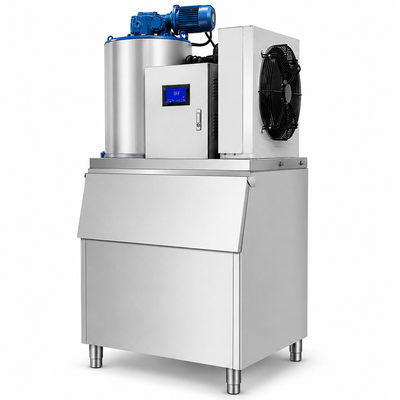
| Flake | Seafood and produce display, salad bars, labs, concrete cooling | Packs and moulds around product, cools fast |
The installation constraint that decides everything
An ice machine makes ice from water, so it needs both sides of the plumbing: a potable cold water supply through an inlet line, and a drain point for the water flushed during each cycle, which leaves through a separate drain line. Both have to be within reach of the machine.
This is the constraint that catches venues out. If the site has no floor drain, or the drain sits above the machine outlet, you need a drain pump — and that is a decision to make before installation day, not on it. It is also why soft serve and slush machines are cheaper to install: they are filled by hand and need no plumbing at all.
Two more siting rules. Keep the machine cool and ventilated with clearance for air intake and exhaust, because a hot machine cannot reject heat and will make less ice while using the same power. And keep the bin accessible, because it needs cleaning on a schedule.
Matching output to venue
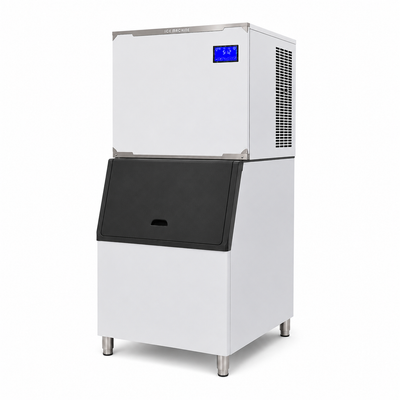
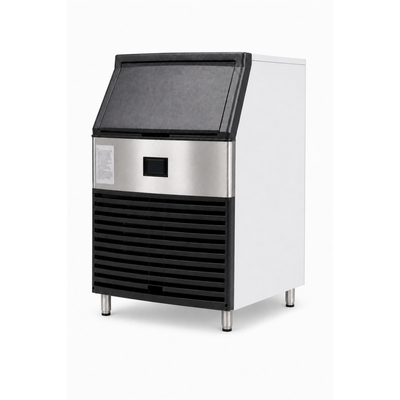
At current listed prices the cube ice range runs from the IM-108 at $1,314 up through the IM-156 at $1,871, the IM-198, IM-234, IM-342 and IM-468 at $1,900, to the IM-260 at $2,681 with a large storage bin. Flake ice machines start at $3,280.
Do not buy on price. Buy the output that clears your busiest day with headroom, in the ice shape your drinks actually need, on a site that can feed and drain it.
Related reading
- How to size a commercial ice machine
- Flake ice vs cube ice
- Water, drain and clearance requirements
- What an ice machine costs to run
- Shop commercial ice machines
- Shop flake ice machines
Frequently asked questions
What size ice machine does a bar need?
Size to your busiest service, then add headroom. Bars use more ice per cover than restaurants because ice goes into every drink, so underestimate at your peril. Work out your peak daily requirement from covers and drinks per cover, then choose a machine whose rated output clears that comfortably rather than exactly.
What type of ice is best for a bar?
Most bars want clear cube ice for spirits and mixed drinks, because it melts slowly and does not dilute the drink. Some venues also want flake or nugget ice for blended drinks and for packing around bottles on display. If you need both, that is two machines or a deliberate compromise, not one setting.
What size ice machine does a restaurant need?
Restaurants use ice for drinks service and often for kitchen and prep work, so the requirement is broader than a bar of the same cover count. Add the kitchen requirement to the front-of-house requirement before sizing, because prep ice is easy to forget and hard to do without.
What do hotels need?
Hotels have a different problem: distributed demand across floors, ice machines for guest use, and back-of-house requirements for banqueting and kitchens. Output per machine matters less than placing capacity where guests and staff actually need it.
Do all commercial ice machines need a drain?
Yes. A machine that makes ice from water needs a potable cold water supply through an inlet line and a drain point for the water flushed during each cycle, discharged through a separate drain line. If your site has no floor drain, or the drain sits above the machine outlet, you need a drain pump — plan for it before installation day.
Where should an ice machine be installed?
Somewhere cool and ventilated with clearance for air intake and exhaust, near both a water supply and a drain, and with the bin accessible for cleaning. Hot, unventilated spaces are the most common cause of an underperforming machine: it cannot reject heat, so output falls while power use stays the same.
AXOSPRO support: 8245 105th Ave, Vero Beach, FL 32967 · vliang@axospro.com · 1-772-258-0386