TL;DR — Quick Answer
Soft serve and gelato differ on four axes: overrun, serving temperature, ingredients and equipment. Volume and speed favours soft serve; premium positioning favours gelato.
- Overrun: soft serve 40–60%; gelato 10–25% — which is why gelato tastes denser and creamier.
- Serving temperature: soft serve –6 to –8 °C; gelato –10 to –14 °C.
- Ingredients: soft serve mix is dairy-based with stabilisers and emulsifiers; gelato uses more milk and less cream, usually with natural flavourings.
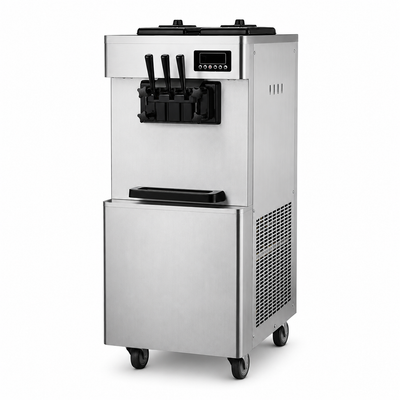
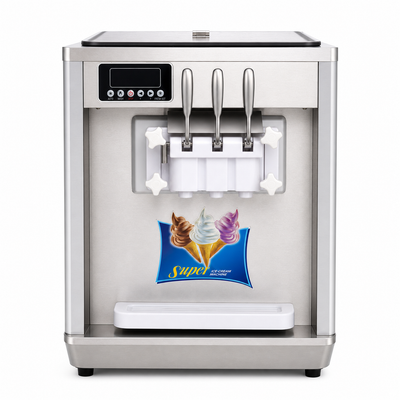
- Equipment: soft serve uses a continuous freezer (gravity or pump feed); gelato needs a batch freezer plus a display cabinet.
- Labour: gelato needs more skilled labour and more storage — factor this in before comparing machine prices.
- Add-on: both pair well with a slush machine for high-margin frozen drinks.
Soft serve and gelato look similar, but they differ in ingredients, texture, serving temperature, and equipment. Knowing the difference helps you choose the right machine and menu strategy.
Texture and Overrun
Soft serve is aerated with 40–60% overrun, giving it a light, fluffy texture. Gelato has much lower overrun (10–25%), so it feels denser and creamier.
Ingredients
Soft-serve mix is typically dairy-based with stabilizers and emulsifiers. Gelato uses more milk and less cream than ice cream, often with natural flavorings and lower fat content.
Serving Temperature
Soft serve is served around -6°C to -8°C. Gelato is served slightly warmer, around -10°C to -12°C, which makes it softer and more flavorful at first bite.
Equipment
Soft-serve machines use a continuous freezer with a pump or gravity feed. Gelato is made in batch freezers and stored in display cabinets. Some shops run both to cover more menu categories.
Not sure which fits your concept? Contact our team for a free equipment recommendation.
Frequently Asked Questions
What is the main difference between soft serve and gelato?
Soft serve is extruded at about -6 C with 50-60% air overrun, giving a light, airy texture. Gelato is denser (10-25% overrun) and served warmer at -12 to -14 C for a richer mouthfeel. They use different freezing-cylinder designs and mix handling.
Which should I choose for my business?
Choose soft serve for high-throughput frozen-yogurt shops, concession stands and quick-service menus where speed and a light texture win. Choose gelato for cafes, restaurants and premium dessert bars where richness and presentation matter more than volume.
Can one machine make both?
A standard soft serve machine cannot produce true dense gelato; gelato needs a batch freezer or dedicated gelato machine. Some hybrid pasteurizing/batch units exist, but plan separate equipment if both are core to your menu.
What does a commercial soft serve machine cost?
Commercial soft serve machines from Axospro typically range from about $1,600 for countertop single-head units to $5,500+ for high-capacity floor models. Price scales with output, hopper count and refrigeration power.
At a glance: key differences
| Factor | Soft serve | Gelato |
|---|---|---|
| Fat content | 3-6% | 4-9% (more milk) |
| Serving temperature | -4 to -6 C | -10 to -12 C |
| Air (overrun) | Up to 60% | 20-30% |
| Texture | Light, airy | Dense, intense |
| Equipment | Soft serve machine | Gelato batch freezer / display |
Which should your business serve?
Choose soft serve if you want fast service, high margin per portion and a familiar format for milkshakes, cones and sundaes - ideal for high-traffic counters. Choose gelato if you sell a premium, sit-down dessert experience where density and flavour intensity justify a higher ticket. Many venues run both: soft serve for speed, gelato for signature items.
Equipment you need for each
- Soft serve: a countertop or floor-standing machine with 1-3 flavours.
- Gelato: a batch freezer plus a display case; pair with a slush machine for cold drinks.
Cost and margin
Soft serve mix is inexpensive and overrun (air) stretches each litre, so margin per serve is often 70-80%. Gelato uses richer dairy and less air, so cost per portion is higher but the premium price covers it. For volume and speed, soft serve wins; for premium positioning, gelato wins. Both pair well with a slush machine for high-margin add-on drinks.
Storage and prep
Soft serve needs refrigerated mix and a daily rinse cycle; gelato needs a batch freezer, blast cabinet and display case plus more skilled labour. Factor labour into your choice, not just the equipment price.
Not sure which fits your menu? See how to choose a commercial soft serve machine and soft serve vs hard ice cream machine.
Related reading
Related reading from the AXOSPRO blog
- Soft Serve Machine Daily Opening & Closing Procedure (SOP)
- Soft Serve Machine Water Cooling vs Air Cooling: Which to Choose
- Where to Place a Commercial Soft Serve Machine: Ventilation, Noise & Clearance
- Slush Machine Daily Cleaning & Syrup Rotation SOP
- Soft Serve vs Frozen Yogurt: Can One Machine Do Both?